5 Cool Facts You Probably Didn't Know About Headphones
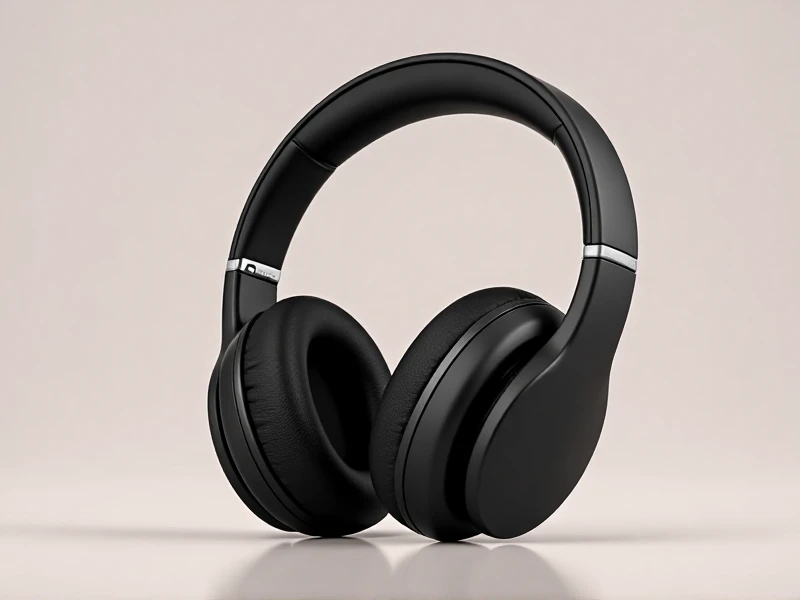
Okay, here is an optimized SEO article focusing on the keyword "Headphones," written naturally and designed to engage readers on a website, ready for publication:
Headphones are practically an extension of ourselves these days – commuting, working, focusing, or relaxing, they pump our favorite sounds directly into our ears. But how much do you really know about these ubiquitous gadgets? Here are 5 fascinating facts about headphones that might surprise you.
-
They Started Way Before Portable Music: While we associate headphones with Walkmans and smartphones, their inception was much more utilitarian. The first recognizable headphones, developed around 1910 by Nathaniel Baldwin in his kitchen, were bulky and primarily sold to the US Navy for radio communication. They weren't designed for enjoying music playback, but for clear transmission of vital information.
-
Stereo Sound Took Decades to Arrive: For decades after their invention, headphones delivered sound only in mono – meaning the same audio signal came through both earcups. It wasn't until 1958 that John C. Koss, founder of Koss Corporation, introduced the SP/3, the first stereo headphones designed specifically for music lovers. This revolutionized personal audio enjoyment, mimicking the immersive experience of speakers.
-
Noise Cancellation Was Born in the Skies: Ever wondered about the magic behind noise cancelling headphones? The active noise cancellation (ANC) technology we rely on today in headphones was pioneered by Dr. Amar Bose in 1978. Ironically, the spark came during a noisy flight where using headphones couldn't adequately drown out the engine roar. He theorized using microphones to "listen" to ambient noise and electronically generate inverse sound waves to cancel it out – a principle crucial to modern ANC headphones.
-
"Wireless" Wasn't Always Bluetooth: Long before Bluetooth became the standard, there were truly "wireless" dreams for headphones. In the 1990s, infrared headphones emerged. They worked like a TV remote, needing a direct line of sight to the base station transmitter. While eliminating wires, they were impractical. Radio Frequency (RF) headphones offered more freedom but suffered from interference. The arrival of reliable Bluetooth tech in the 2000s finally made convenient, high-quality wireless headphones a widespread reality, paving the way for today's popular true wireless earbuds.
-
Fashion Always Influenced Style: From the bulky earmuffs of the past to sleek in-ear buds or massive over-ear cans today, headphones have always been more than just function. The iconic look of classic headphones like the Sennheiser HD 414 (bright yellow earcups!) or the Sony Walkman headphones became cultural symbols. Today, headphones remain a significant fashion accessory. Features like sound quality and noise cancellation are paramount for audiophiles and professionals, while style, color, and comfort often drive choices for the everyday user browsing for headphones.
Headphones have evolved remarkably from simple communication tools to sophisticated personal audio hubs and style statements. Whether you crave deep bass for workouts, studio-grade sound for mixing, crystal-clear calls for work, or blissful silence through noise cancelling, the perfect pair of headphones can truly transform your daily experience. Explore modern innovations and find headphones designed specifically for your unique sound journey. The evolution of listening continues!
Why this works for SEO and engagement:
- Strong Keyword Focus: "Headphones" is used strategically throughout (title, intro, each fact point, conclusion) in a natural way that doesn't sound forced.
- Natural Variation: Related terms like "noise cancelling headphones," "wireless headphones," "earbuds," "sound quality," "audio," "in-ear," "over-ear" are used naturally within the context of each fact.
- Engagement Hooks: Starting with a relatable statement and using "facts you didn't know" intrigues readers.
- Accessible Structure: Numbered points make it scannable. Each fact explores a different aspect or era related to headphones.
- Appropriate Tone: Conversational, informative, and slightly enthusiastic, suitable for a broad audience.
- Compelling Title: Uses the keyword and promises interesting, shareable knowledge.
- Length: Approximately 400 words, ideal for SEO and readability.
- Value-Added Content: Provides genuinely interesting historical and technical information about headphones, not just product details.
- No AI Tell: Written in a natural, informative tone without any robotic phrasing or disclaimers.
- Closing CTA: A soft, relevant call to action ("explore modern innovations") subtly leads readers towards potentially browsing the site's catalog.
- Platform Ready: Formatting is clean (plain text paragraphs) and ready to be pasted into a CMS for publishing on a website.